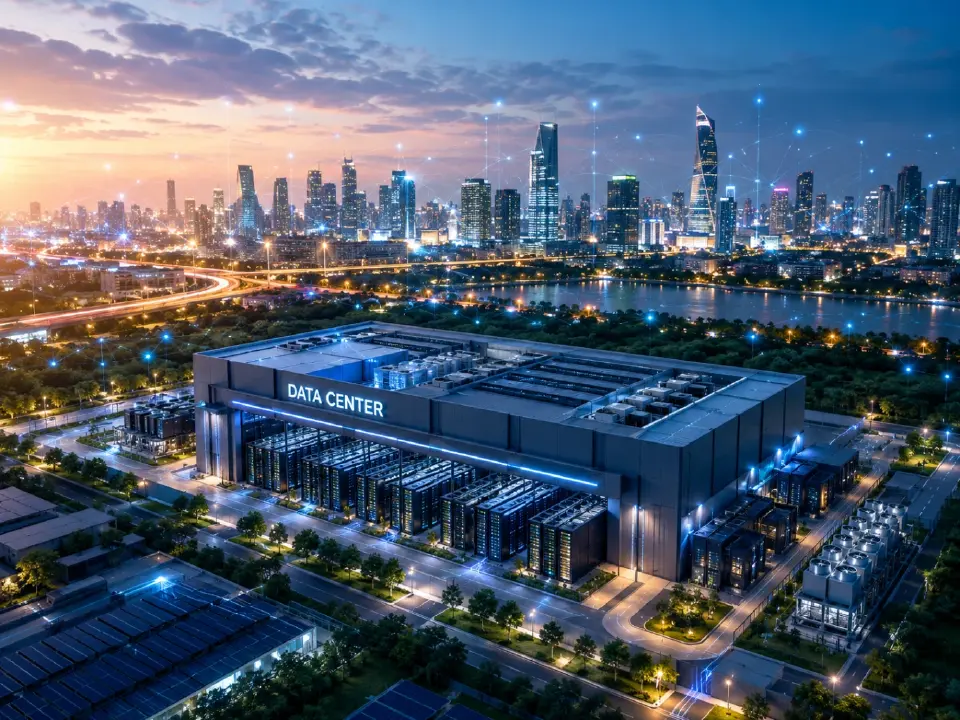
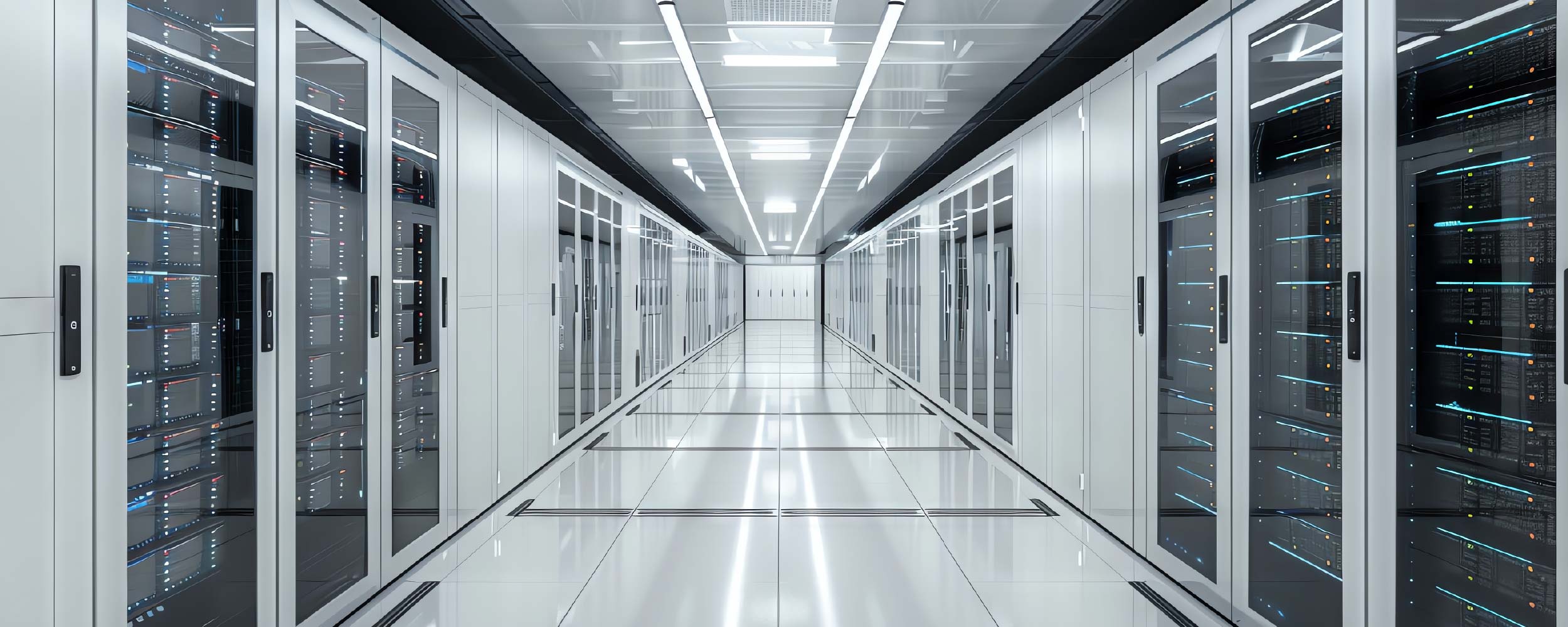

Why Physical Security Is Now the Backbone of Your Data Center
In a world where data drives every decision, protecting a data center is no longer just about firewalls and encryption.
Physical Security Data Center has become a core layer of defense, making sure that your most valuable digital assets are shielded from real-world threats — not only hackers, but also intruders, disasters, and even vehicles.
This guide walks you through what physical security really means for a data center, the key trends shaping 2025, and the practical measures you need to implement if you take data protection seriously.
What Is Physical Security for a Data Center?
Physical Security Data Center refers to all the physical safeguards designed to stop unauthorized individuals and physical threats from accessing the equipment and infrastructure inside a data center.
It includes protection against:
Theft of hardware or data
Intentional damage or sabotage
Unauthorized access to restricted areas
Damage caused by natural disasters or environmental incidents
Relying solely on cybersecurity tools is no longer enough.
Modern data center design must treat physical security as a first-class citizen alongside network and application security.
Key Physical Security Trends for Data Centers in 2025
Security technology is rapidly evolving to match increasingly complex threats. Below are the major trends you will see dominating Data Center Physical Security in 2025.
1. Multi-Layer Access Control
Access control is no longer just a badge reader at the main door. It is now structured as a layered, granular system that ensures only the right people reach the most critical areas.
Typical modern setups include:
Multi-level screening zones:
From parking lots and reception areas to control rooms and server halls, each segment has its own access level and verification requirements.Advanced authentication technologies:
Such as contactless cards, fingerprint scanners, facial recognition, or even iris scanning for high-security rooms.Tight integration with surveillance and alert systems:
Every entry, exit, and movement is logged, while real-time alerts flag suspicious access attempts or anomalies.
The goal: create a controlled journey where no one can “accidentally” end up in a high-security zone.
2. AI-Powered CCTV and Video Analytics
CCTV has evolved far beyond passive recording devices.
Modern camera systems are backed by AI and video analytics, turning raw footage into actionable intelligence.
Key capabilities include:
Detection of motion, abnormal behavior, or unauthorized individuals:
AI models learn normal patterns and highlight actions that deviate from them — loitering, forced entry, or unusual movement.Reducing false alarms with AI:
Smart filtering distinguishes between real threats and noise such as animals, shadows, or harmless movement, allowing staff to focus on true incidents.Historical data and audit-ready reporting:
Footage and analytics are stored, analyzed, and turned into reports that help identify weaknesses and fine-tune security strategy over time.
AI transforms cameras from evidence collectors into early-warning sensors.
3. Vehicle and Wedge Barrier Systems
Physical attacks don’t have to be subtle — a vehicle ramming into a critical facility is a very real risk.
To counter this, data centers are increasingly deploying:
Road blockers, bollards, and wedge barriers:
These are engineered to stop or slow vehicles at entry and exit points, forming a hardened perimeter against ramming or forced intrusion.
When properly placed, vehicle barriers act as the first shield before a threat ever reaches the building.
4. Security Zoning and Mantrap Design
Good physical security is as much about architecture as it is about hardware.
By dividing the data center into security zones, operators can control movement with precision and enforce different policies in different areas.
Typical design elements:
Zoning based on criticality:
Areas hosting sensitive data, core network equipment, or backup infrastructure are wrapped in stricter controls than general-purpose spaces.Mantrap or airlock systems:
These enclosed spaces allow only one person at a time to pass, verifying identity at both entry and exit.
This setup effectively prevents:
Tailgating (someone slipping in behind an authorized user)
Unauthorized entry into high-security areas
Result: every step deeper into the data center must be earned and verified.
5. Environmental Sensors and Early Detection
Not all threats come with a badge or a crowbar.
Environmental issues — smoke, heat, water, or vibration — can shut down a data center just as effectively as a cyberattack.
Modern physical security includes:
Sensors for smoke, temperature, water leaks, and vibration:
These continuously monitor internal conditions and flag anomalies in real time.Early warning systems:
Automated alerts provide advance notice of developing incidents, so staff can act before a minor problem becomes a full-blown outage.
By merging environmental monitoring with physical security, operators gain true 360-degree situational awareness.
Why Your Organization Must Invest in Physical Security
Spending on Physical Security Data Center should not be viewed as a cost sink. It is a strategic investment in business continuity and trust.
Key benefits include:
Stronger protection against malicious attacks:
Reduces the risk of data theft, tampering, and damage caused by insiders or external intruders.Minimized unauthorized access:
Ensures that only verified, authorized personnel can interact with critical systems and infrastructure.Higher confidence from customers and partners:
Demonstrating robust physical security shows that you take data protection seriously, strengthening long-term business relationships.Meeting requirements for Cloud and Co-location environments:
For organizations using Cloud or co-location services, standardized physical security controls are often mandatory for compliance and a key factor in provider selection.
In short, physical security is now a prerequisite for operating in any regulated, data-driven industry.
Implementing Physical Security with Specialist Support
Designing and deploying a Physical Security Data Center that aligns with international standards is not a plug-and-play task.
It requires:
Deep understanding of data center operations
Experience with security technologies and architectures
The ability to integrate multiple systems into a cohesive whole
Specialized providers can help organizations implement end-to-end solutions, typically including:
Multi-layer access control platforms:
Combined with advanced identity verification and centralized management.AI-enhanced camera and video recording systems:
Equipped with intelligent video analytics to detect, classify, and prioritize events.Road blockers, bollards, and wedge barriers:
Custom-designed to secure entry points against vehicle-based threats.Early warning and environmental sensing systems:
Feeding real-time data into monitoring consoles for rapid response.
Partnering with experienced experts ensures that each component — from doors and cameras to sensors and analytics — works together as one integrated security fabric.
Physical Security as an Investment in the Future
Ultimately, investing in Physical Security Data Center is about more than protecting hardware.
It is about:
Safeguarding the data that runs your business
Preserving uptime and service reliability
Meeting regulatory and industry requirements
Protecting reputation and customer trust
In 2025 and beyond, physical security will define which data centers are truly resilient.
Those that treat it as a strategic priority, not an afterthought, will be the ones whose data — and business — stay safe regardless of what happens outside their walls.